
What started as a personal frustration became a professional calling.
In 2013, after moving into a new home, our founder spent months trying to create a simple reading corner. Every furniture choice felt wrong, every arrangement felt forced, and the growing pile of design books only made the uncertainty worse.
The problem wasn't a lack of options. It was too many options without a framework for making the right choice.
The gap we identified
Interior designers focused on entire rooms. Furniture stores pushed products without context. Online guides offered generic advice that rarely translated to real spaces with real constraints.

What people needed was something more specific: expertise in creating intimate, functional spaces within existing homes, without requiring full renovations or designer budgets.
So we built exactly that.
Our approach emerged from research, not intuition
We studied environmental psychology, ergonomics research, lighting design principles, and acoustic engineering. We interviewed hundreds of avid readers about their habits and preferences. We documented what worked and what failed across different home layouts.
The result is a systematic methodology that accounts for variables most people never consider: ceiling height's effect on perceived coziness, the relationship between chair back height and wall distance, how color temperature influences reading stamina, where shadows fall at different times of day.
Technical precision translated into spaces that feel intuitively right.
Who we serve
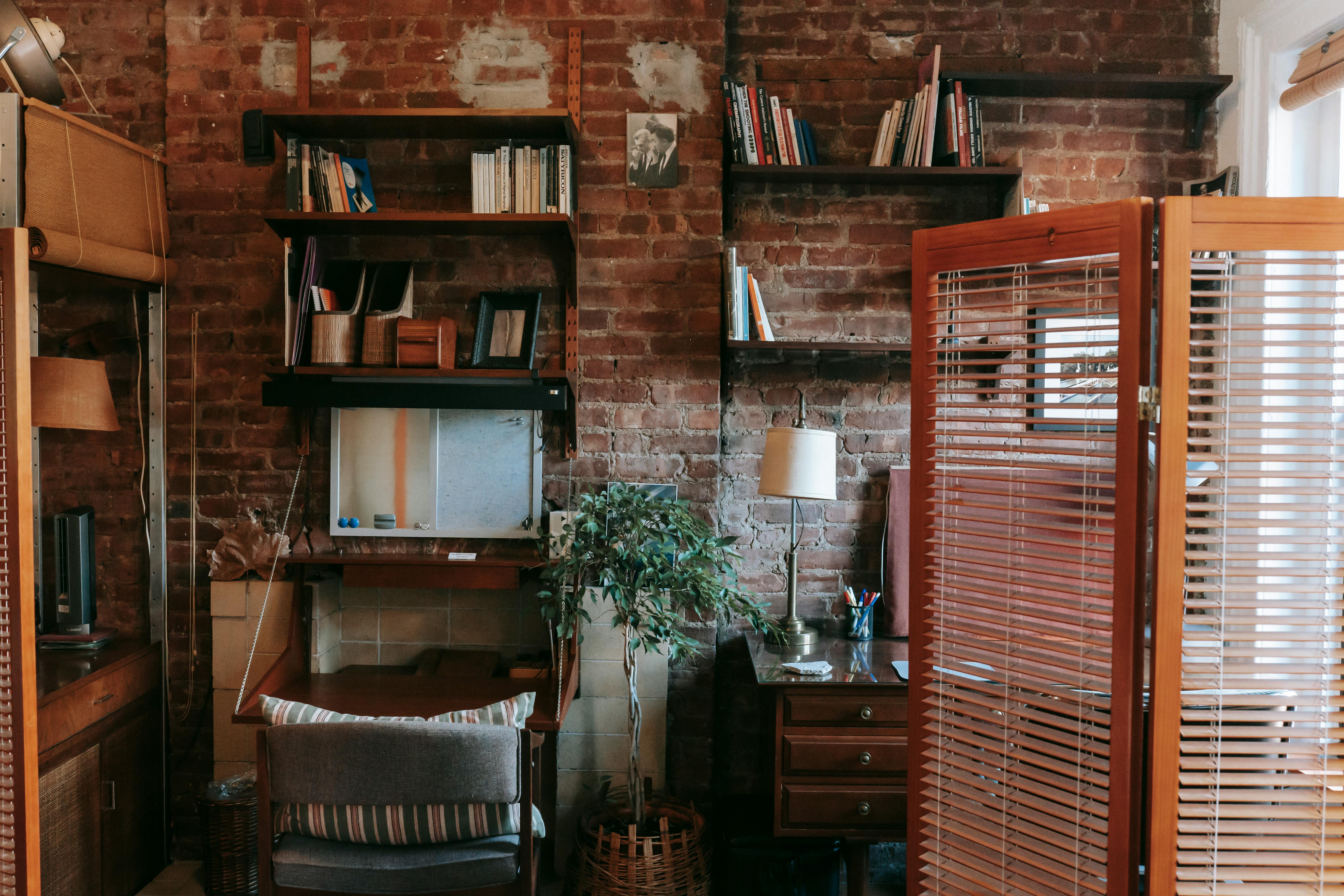
Our clients range from young professionals seeking refuge from screen time to retirees finally making space for postponed reading lists. Some have clear visions they need help executing, others only know they want something better than what they currently have.
What they share is respect for reading as an activity worth designing around, not squeezing into leftover space.
"They asked questions I hadn't thought about and noticed details I'd walked past for years. The final design wasn't just functional, it reflected how I actually read, not how I thought I should read."
— Michael Torres, Vancouver
Why this work matters
In an era of constant distraction and digital overload, having a physical space dedicated to focused reading represents more than interior design. It's a statement about priorities, about carving out room for depth in a world optimized for speed.
We don't just arrange furniture. We create conditions that make it easier to disconnect, think, and read without guilt or interruption.
That's worth getting right.